When to Call a Professional for Trauma Scene Cleanup in Garden City, ID
Experiencing a traumatic event at home, in the workplace, or within the community can be emotionally devastating. When these events leave behind physical evidence such as blood, bodily fluids, or other biohazardous materials, the aftermath can be overwhelming. While family members or employees might feel the instinct to clean the scene themselves, trauma scene cleanup is far more complex than typical household cleaning. Without proper training, protective equipment, and disposal procedures, attempting cleanup can pose serious health risks and legal challenges.
Professional trauma scene cleanup services exist to ensure these situations are handled safely, thoroughly, and compassionately. Experts in the field follow strict protocols to remove biohazards, disinfect affected areas, and restore the environment to a safe condition. Knowing when to call a professional is crucial for both safety and peace of mind. This guide explores the key indicators that professional intervention is required, the risks of DIY cleanup, and the best practices for managing these difficult situations in Garden City, ID. By understanding these factors, residents and business owners can make informed decisions that protect health, comply with regulations, and support emotional recovery.
Understanding Trauma Scene Cleanup
What Constitutes a Trauma Scene?
A trauma scene can result from a wide range of incidents, including accidents, violent crimes, unattended deaths, or medical emergencies. Any situation that leaves behind blood, bodily fluids, or other potentially infectious materials is considered a biohazard. Unlike routine cleaning, trauma scenes require specialized techniques to eliminate pathogens such as hepatitis B, hepatitis C, and HIV, which may remain in the environment long after the incident.
Risks of Improper Cleanup
Attempting to clean a trauma scene without proper training can expose individuals to significant health hazards. Biohazard exposure can lead to serious infections, respiratory problems, or chemical injuries from cleaning agents. Additionally, improper disposal of contaminated materials may violate local regulations, leading to legal repercussions. The psychological toll should not be underestimated; cleaning a trauma scene personally can increase stress, anxiety, and trauma-related symptoms, complicating emotional recovery.
Why Professionals Are Essential
Professional trauma cleanup technicians are trained to handle hazardous materials safely and efficiently. They use industrial-grade disinfectants, personal protective equipment (PPE), and specialized containment procedures to ensure the area is sanitized and restored. Moreover, certified technicians follow state and federal guidelines for biohazard disposal, protecting both the environment and the individuals involved.
Key Indicators You Should Call a Professional
Presence of Blood or Bodily Fluids
Even a small amount of blood or other bodily fluids can carry dangerous pathogens. If these substances are present, professional cleanup is critical. Technicians use specialized cleaning agents and containment methods to remove contaminants while minimizing exposure risk.
Unattended Death or Crime Scene
In cases of unattended deaths or criminal incidents, the cleanup process often involves law enforcement coordination. Professionals ensure that cleanup does not interfere with ongoing investigations and that biohazard materials are handled according to legal and safety standards.
Chemical or Biological Hazards
Certain trauma scenes may involve chemical spills, decomposed tissue, or other biohazards that require specific handling. Professionals are equipped to manage these situations safely, ensuring that hazardous substances are neutralized or removed appropriately.
Emotional Impact and Mental Health
Cleaning a trauma scene can be emotionally overwhelming, particularly when the incident involves a loved one or colleague. Professionals provide an objective, controlled approach, reducing the emotional strain on family members or employees and allowing them to focus on healing rather than cleanup.
The Cleanup Process: What Professionals Do
Initial Assessment and Safety Protocols
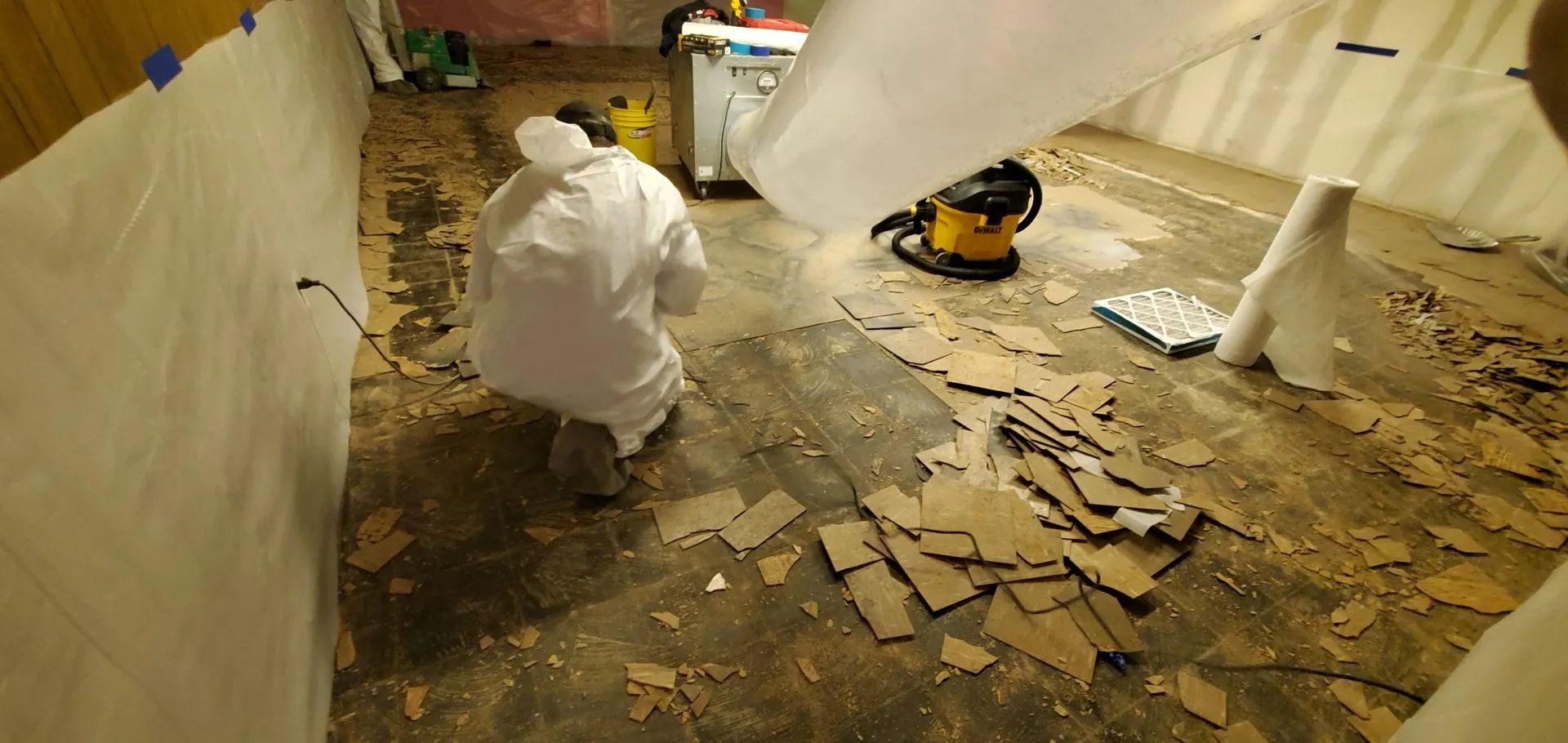
Professional trauma scene cleanup begins with a comprehensive assessment. Technicians evaluate the scene, identify biohazard risks, and determine the appropriate cleaning strategy. They don personal protective equipment, including gloves, masks, and protective suits, to minimize exposure.
Containment and Removal of Contaminants
Containment is critical to prevent cross-contamination. Professionals isolate affected areas, remove all contaminated materials—including furniture, carpets, and personal items—and safely package them for proper disposal. This step ensures that pathogens do not spread to other parts of the property.
Thorough Disinfection and Decontamination
Once contaminated materials are removed, technicians perform deep cleaning and disinfection using EPA-approved agents. Surfaces are treated multiple times to eliminate pathogens, and air quality is assessed to remove airborne hazards. In many cases, odor neutralization is also applied to ensure the environment is safe and habitable.
Restoration and Final Inspection
After disinfection, the restoration phase begins. Professionals repair any structural damage, replace damaged materials if needed, and ensure the area is restored to a safe, sanitary condition. A final inspection confirms that all biohazards have been removed and that the space meets safety standards.
Legal and Safety Considerations
Compliance with Local Regulations
Trauma scene cleanup is governed by strict local, state, and federal regulations. Certified professionals understand these rules and ensure that all contaminated materials are disposed of in accordance with legal requirements. Attempting DIY cleanup could result in fines or legal action for improper handling of biohazards.
Documentation and Record-Keeping
Professional services provide detailed documentation of the cleanup process. This can be important for insurance claims, liability issues, or legal investigations. Records typically include before-and-after photos, a list of materials disposed of, and verification of decontamination procedures.
Insurance and Liability Protection
Many homeowners’ and business insurance policies require professional cleanup in the event of biohazard exposure. Using certified services ensures compliance with insurance requirements, reducing liability risks and providing financial protection in case of future claims.
Best Practices for Choosing a Trauma Cleanup Service
Certification and Training
When selecting a trauma scene cleanup service, verify that technicians are properly certified and trained in biohazard remediation. Certifications indicate that the company adheres to industry standards and follows proper safety protocols.
Experience and Reputation
Look for companies with proven experience and positive client feedback. Experienced professionals can efficiently handle complex cleanup scenarios, from chemical hazards to unattended deaths, ensuring that the environment is restored safely.
Transparency and Communication
A reliable service provider communicates clearly about the scope of work, pricing, and procedures. Transparency builds trust and ensures that clients understand the steps involved in cleanup, including timelines and safety measures.
Availability and Emergency Response
Trauma incidents are unpredictable, so rapid response is crucial. Choose a service that offers 24/7 availability and emergency response options to address biohazard situations promptly, minimizing health risks and property damage.
Psychological and Emotional Benefits of Professional Intervention
Reduced Trauma Exposure
By entrusting cleanup to professionals, individuals avoid direct exposure to the distressing scene, which can reduce the risk of secondary trauma. This allows family members, friends, or coworkers to process the incident without the added burden of handling biohazards.
Peace of Mind
Knowing that experts are handling hazardous materials safely provides reassurance during a difficult time. Professional services ensure thorough decontamination, adherence to regulations, and safe disposal of contaminated materials, which collectively support emotional recovery.
Supportive Approach
Many trauma cleanup companies offer compassionate communication and guidance throughout the process. Professionals often provide resources for counseling or additional support, helping affected individuals navigate the emotional aftermath effectively.
Cost Considerations and Value
Investment in Safety
While professional trauma cleanup involves a financial cost, it is an investment in health, safety, and legal compliance. Attempting DIY cleanup may seem less expensive initially but can result in medical bills, legal fines, or property damage if done improperly.
Long-Term Protection
Proper cleanup prevents lingering biohazards and contamination that could affect property value, air quality, or overall safety. Professionals ensure a long-term solution, restoring the environment to a safe, usable state without ongoing health risks.
Insurance Benefits
Many insurance policies cover professional trauma scene cleanup, mitigating out-of-pocket expenses. Using certified services ensures coverage eligibility, providing additional financial protection and peace of mind for homeowners and business operators alike.
Expert Tips for Residents and Business Owners
Recognize the Signs Early
Identifying trauma scenes promptly helps prevent the spread of biohazards. Early recognition allows professional teams to respond quickly, minimizing contamination and health risks.
Avoid DIY Cleanup
Even seemingly minor incidents can pose serious hazards. Avoid cleaning blood, bodily fluids, or chemical contaminants without proper training, PPE, and disposal procedures.
Maintain Open Communication with Authorities
In cases of unattended deaths or crimes, maintain clear communication with law enforcement and regulatory agencies. Professionals often coordinate with these authorities to ensure compliance and proper handling of evidence and biohazards.
Plan for Emotional Support
Engage counseling or support services for family, employees, or community members affected by the incident. Reducing emotional stress complements professional cleanup efforts and supports overall recovery.
Knowledgeable Experts Restore Safety After Hazardous Incidents
For residents and business owners in Nampa, Boise, and Meridian, ID, Done Right Flood & Fire Services Inc. stands as a trusted authority in trauma scene cleanup. With 30 years of experience, the company has developed a reputation for thorough, safe, and compassionate service. Every project is approached with professionalism, utilizing advanced equipment, certified procedures, and strict adherence to local and federal regulations.
Done Right Flood & Fire Services Inc. recognizes the emotional challenges associated with trauma scenes and ensures that every step—from initial assessment to final restoration—is handled with sensitivity and care. Their team is trained to manage biohazards, contaminated materials, and structural restoration efficiently, providing peace of mind for clients during difficult times. Transparent communication, emergency responsiveness, and a commitment to safety and quality define their approach.
Choosing Done Right Flood & Fire Services Inc.
ensures that trauma scenes are restored to a safe, clean, and habitable condition while supporting the emotional well-being of those affected. Their decades of experience make them a reliable partner for anyone facing the challenges of
trauma scene cleanup, providing both technical expertise and compassionate guidance every step of the way.