Fire Damage Restoration in Meridian: What to Expect and How to Prepare
Fire damage is one of the most devastating events a property owner can experience. Beyond the immediate danger of flames, fires leave behind a trail of destruction that affects the structure, air quality, electrical systems, belongings, and the overall safety of the home or building. For residents in Meridian, where both residential and commercial properties value long-term durability and safety, understanding how fire damage restoration works is essential. The restoration process involves several advanced steps such as assessment, cleanup, structural repair, and preventive planning to ensure the property is fully restored to pre-loss condition. Knowing what to anticipate not only reduces stress but also empowers owners to make informed, timely decisions during recovery, especially when coordinating responsibilities, insurance communication, and safety considerations that often add pressure during an already difficult event.
In the aftermath of a fire, many property owners feel overwhelmed and uncertain about the path forward. However, with the right preparation and the support of trained restoration experts, full property recovery is achievable. This blog breaks down what to expect during fire damage restoration in Meridian, covers common challenges, explains critical procedures, and outlines how to prepare for a faster, safer restoration process. Whether you own a home or manage a commercial facility, having this knowledge beforehand can be invaluable when facing a fire-related emergency, giving you the clarity, confidence, and perspective needed to navigate each step with greater understanding and reduced stress.
Understanding the Fire Damage Restoration Process
Initial Assessment & Documentation
The first step in the fire damage restoration process is a comprehensive assessment of the entire property. Restoration specialists examine structural components, HVAC systems, insulation, electrical wiring, and all affected surfaces to determine the full extent of the damage. They document findings through photographs, moisture readings, and inspection reports, which also serve as crucial evidence for insurance claims.
Identifying Burn Patterns & Hidden Damage
Fire damage often extends deeper than what is visible. Specialists check for structural integrity compromised by heat, melted wiring hidden behind walls, and moisture intrusion from firefighting efforts. This step ensures no underlying threat is overlooked.
Estimating the Scope of Work
After the assessment, a detailed restoration plan is created outlining tasks such as debris removal, soot cleaning, odor removal, and reconstruction. This helps property owners understand timelines, budgets, and safety considerations from the beginning.
Common Types of Fire Damage in Meridian Properties
Structural Damage
High heat can weaken beams, floors, roofing materials, and foundational elements. Even small fires may impact load-bearing structures, requiring professional reinforcement or replacement.
Smoke & Soot Contamination
Smoke and soot spread rapidly throughout the property, clinging to surfaces and penetrating deep into porous materials like drywall, insulation, furniture, and flooring. If not properly cleaned, soot can cause corrosion, stains, and long-lasting odors.
Water & Moisture Damage
Firefighting efforts often leave behind significant water damage. Wet materials can lead to mold growth within 24–48 hours, making moisture extraction and drying essential early components of fire restoration.
Air Quality Degradation
Smoke particles and volatile organic compounds (VOCs) can remain suspended in the air long after the flames have been extinguished. Specialized filtration and ozone treatments are often necessary to restore safe indoor air quality.
Key Stages of Fire Damage Restoration
1. Emergency Board-Up & Securing the Property
After a fire, openings such as broken windows, damaged doors, or compromised roofing must be secured to protect the property from weather, animals, and unauthorized access. Professionals install board-ups, temporary fencing, and roof tarping as needed.
2. Water Extraction & Structural Drying
Any remaining water from hoses or sprinkler systems is removed immediately using industrial pumps and vacuums. Restoration teams employ advanced drying equipment like dehumidifiers, air movers, and thermal drying systems to prevent mold growth and secondary structural damage.
3. Soot, Smoke, and Debris Removal
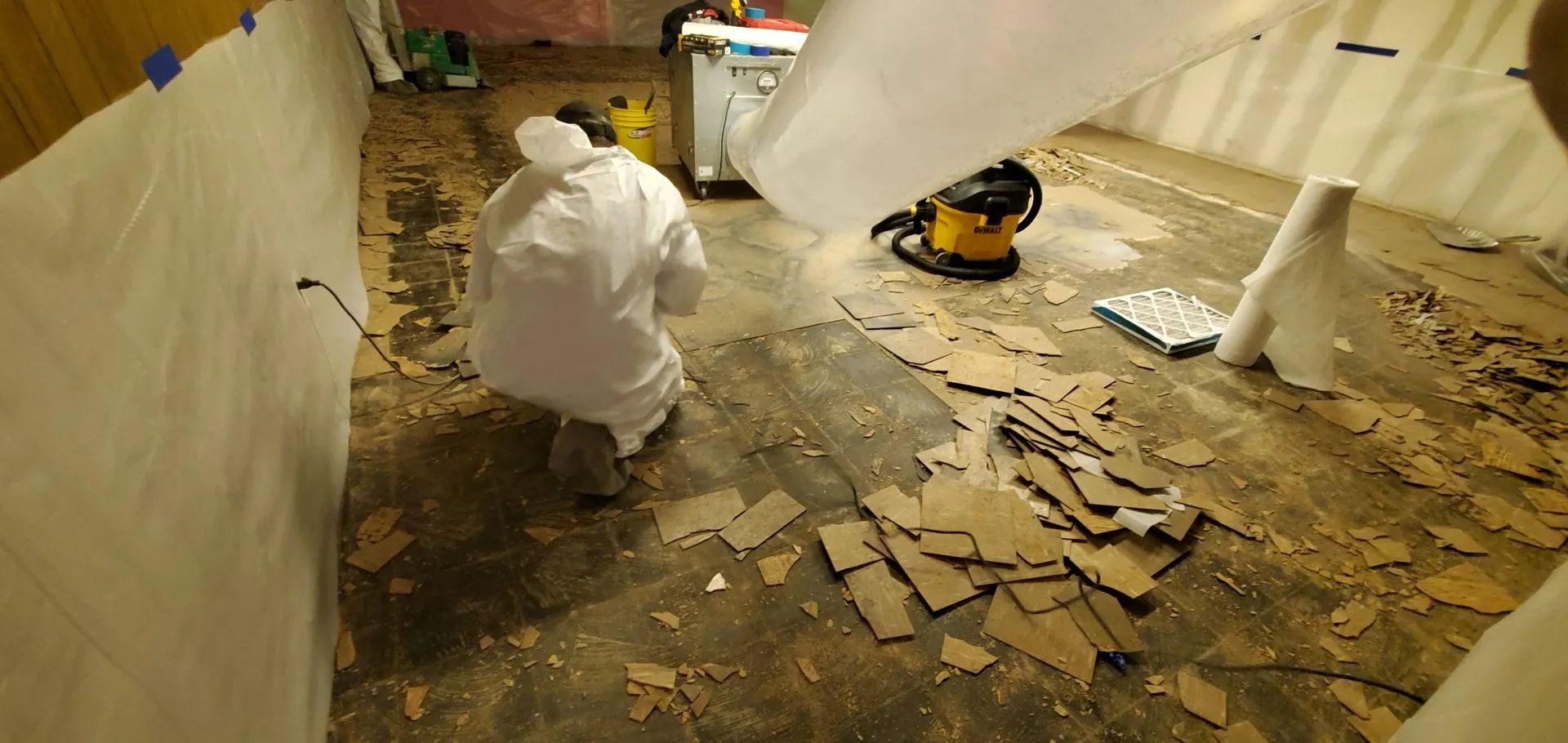
All debris is cleared, and surfaces undergo extensive cleaning using HEPA vacuums, chemical sponges, and specialized detergents that neutralize soot. Each type of soot—wet, dry, or oily—requires a unique cleaning method to avoid spreading or permanent staining.
4. Odor Neutralization
Lingering odors from smoke can persist without proper treatment. Professionals use ozone generators, hydroxyl machines, thermal fogging, and air scrubbers to neutralize odor particles embedded in materials and air ducts.
5. Structural Repairs & Reconstruction
Depending on the extent of damage, this phase may include rebuilding walls, replacing flooring, repairing framing, installing new roofing, and restoring electrical or HVAC systems. The goal is to return the property to its pre-loss condition or better.
6. Final Cleaning & Property Sanitization
Once repairs are complete, the entire space is sanitized to ensure it is safe, clean, and ready for occupancy. This includes surface disinfection, HVAC duct cleaning, and final inspections to guarantee quality control.
How to Prepare for Fire Damage Restoration
Document the Damage Before Cleanup
Before any cleaning takes place, property owners should document every area of damage with photos and videos. This helps with insurance claims and ensures accuracy in repair estimates.
Contact Your Insurance Provider Immediately
Timely communication with the insurance company is critical. Provide documentation, keep receipts, and request an adjuster visit as soon as possible. Many insurers in Meridian require prompt reporting to avoid claim delays.
Remove Valuables When Safe
If permitted by emergency responders, retrieve essential items such as documents, medications, and sentimental belongings. For safety reasons, avoid removing anything that may be contaminated until cleared by restoration professionals.
Prevent Further Damage
Actions such as covering undamaged furniture, avoiding walking on soot-covered surfaces, and refraining from turning on electronics can prevent secondary damage. Soot and acidic residues can cause further deterioration if disturbed.
Prepare for Temporary Relocation
Depending on severity, the property may be unsafe for occupancy. Plan accommodations early to minimize disruption, especially for families with children, elderly members, or pets.
Stay Updated Throughout the Process
Communicate regularly with the restoration team to understand progress, challenges, and schedule updates. A clear communication process helps ensure transparency and builds confidence in the restoration outcome.
Challenges in Fire Damage Restoration
Hidden Structural Compromises
Heat from fires can affect structural elements beyond visible damage. Restoration professionals must use thermal imaging and advanced testing to detect weakening that could pose long-term risks.
Complex Soot Removal
Different materials react uniquely to soot, requiring specialists to tailor cleaning techniques. Using incorrect cleaning agents can permanently stain or damage surfaces.
Odor Persistence
Smoke odor can cling to building materials for months if not properly neutralized. Tactics like thermal fogging mimic smoke penetration paths to eliminate odors effectively.
Insurance Processes
Navigating insurance claims can be time-consuming and complex. Detailed documentation, professional assessments, and regular communication with adjusters help streamline approvals.
Health Risks
Soot exposure can lead to respiratory issues, eye irritation, or long-term health concerns. Proper PPE and professional cleaning ensure safety for occupants and workers.
Best Practices for Effective Restoration
Hire Trained, Certified Restoration Professionals
Certified restoration specialists follow industry standards and ensure proper handling of structural repairs, smoke damage, and hazardous materials.
Prioritize Fast Response
The sooner restoration begins, the lower the risk of secondary damage like mold growth, corrosion, and odor absorption.
Use Advanced Technology
Modern tools—such as HEPA filtration systems, moisture meters, negative air machines, and thermal foggers—enable a more thorough and efficient restoration process.
Perform Post-Restoration Inspections
After repairs, schedule walk-through inspections to verify structural integrity, odor elimination, and overall restoration quality.
Strengthen Prevention Plans
Consider improvements such as upgraded smoke alarms, fire-resistant materials, and regular electrical inspections to reduce the risk of future fires.
Fire damage can be overwhelming, but understanding the restoration process equips property owners with the clarity needed to move forward with confidence. From assessment and debris removal to structural repairs and final sanitization, each step contributes to restoring a safe, functional living or working environment. Preparedness plays an important role in speeding up recovery, reducing stress, and ensuring every detail is handled correctly. With the right professional support, even severe fire damage can be fully repaired, allowing property owners to rebuild with strength and peace of mind.
Rebuilding With Trusted Expertise and Lasting Protection
When facing fire damage in Meridian, choosing the right restoration partner is one of the most important decisions you will make. Done Right Flood & Fire Services Inc. has been a trusted name in professional fire and water restoration for over 30 years, proudly serving homeowners and businesses throughout Nampa, Boise, and Meridian, ID. With decades of hands-on experience, the company brings together industry-leading techniques, advanced equipment, and a commitment to excellence that ensures every project is handled with precision. Their team understands the emotional and financial stress that fire damage can cause, which is why they focus on transparent communication, rapid response times, and high-quality workmanship from the moment they arrive. Whether your property requires smoke and soot removal, structural repairs, odor elimination, or full-scale reconstruction, their certified experts are equipped to restore your space efficiently and safely. Clients rely on their professionalism, trustworthiness, and proven track record to navigate difficult situations with confidence and clarity. When disaster strikes, we stand ready to help you rebuild—done right from the start.